
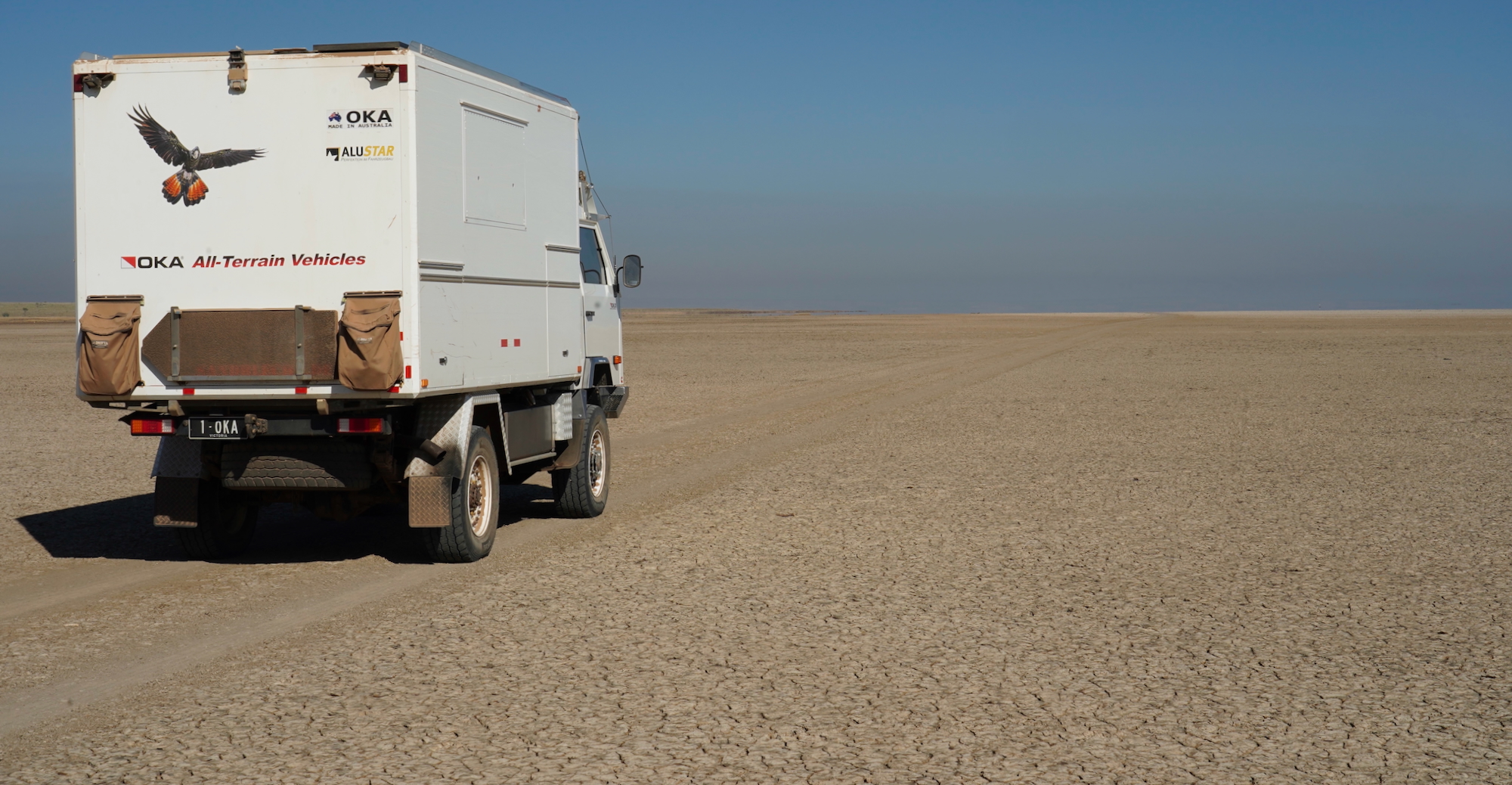

A lot has happened since our last post. Less than 6 weeks has passed. It feels longer.
In our last post we remained uncertain whether we would be able to get up to the Garig Gunak Barlu National Park (aka the Cobourg Peninsula), because although the road was opened on the 7th August, it was with a vehicle weight limit of 4.5 tonnes, & our travelling weight is around 7 tonnes.
A decision was required in the absence of any certainty. Either head northward from Katherine back toward Kakadu NP to visit a few spots which we have not been to before & hope that the Cobourg road restrictions were lifted whilst we were swanning around Kakadu, OR start heading southward to hopefully cooler weather.
We chose to return northward.
Our first stop north of Katherine was a pleasant discovery. 3 nights at a free camp on the banks of the Edith River. This site is alongside what is now an uncrossable (by vehicle) bridge on a disused section of the old Stuart Highway, accessed via a narrow & potholed strip of bitumen taking us a couple of kilometres west from the current Stuart Highway. In the past when in this area we have always stayed at the Edith Falls campground which we love, but this time we were looking for a change, & what we found didn’t disappoint.

There was a fair bit of soft sand to negotiate, and as we walked the site to decide where to camp, two couples with largish caravans approached us when it looked like we might be about to choose a spot they needed to be able to reverse their vans onto to get out. They were anxious after seeing a young couple in a 2wd Hiace get bogged the day before. We didn’t have any concerns about the OKA getting bogged, but were happy to wait for the caravaners to leave so we could nab their ‘prime spot’, & to offer the reassurance of assistance if they needed it to get out. As it was both were sensible drivers & no assistance was required, although they were demonstrably relieved once they had their rigs on more solid ground. By the time we left 3 days later we had still heard no news re the Cobourg Road. Online resources said that the 4.5t limit was still in place.

It was good to catch-up with Kellie in Pine Creek, a lady we had got to know at Manbulloo Station caravan park whilst waiting for the OKA to get sorted at the Katherine auto electrician’s, & who after several years of having first worked at Manbulloo, and then living there for an extended period as a result of unfortunate circumstances, she was, when we met her, excited about an opportunity she was grasping. The Pine Creek ‘Historical Site’ had wanted a ‘live-in caretaker’ & she had been accepted for the position. It was good to see her, now there , settled in, with her dog, & enjoying her life in the community. That night we spent at Pussy Cat Flats campground, (a disused racetrack) a short distance out of Pine Creek on the road into Kakadu. The caretakers there regaled us with anecdotes from recent visitors to Kakadu about horrifying clouds of ravenous mosquitoes, so thick that arms couldn’t be seen & making lives a misery. We hoped that the Thermacell unit we had purchased in Katherine might offer us a degree of protection when used in conjunction with ‘tropical strength’ mozzie spray.
Our next stop was one we were looking forward to revisiting. Earlier in the year Harriet Creek free camp had been a lovely bush spot, well away from the road , alongside a shallow pretty creek with plenty of bird life. What we found this time was the creek had dried up & fire had gone through the surrounding country. The only water was little more than a puddle by the bridge over it. We were ‘treading water’ waiting on news from the lady at the NT Parks dept about Coburg road access, so stayed a couple of nights. The camp area itself had escaped being burned, & we used water from the ‘puddle’, carried back to the OKA in a bucket for washing clothing & the windscreen, saving our drinking water taken onboard in Katherine. Pine Creek had water but our hose was not long enough to reach the public tap. Another source we had used there once before was, we learned from Kellie, not suitable for drinking due to it’s acidity, so preserving our onboard supply, not knowing where we might get our next water from was our aim.


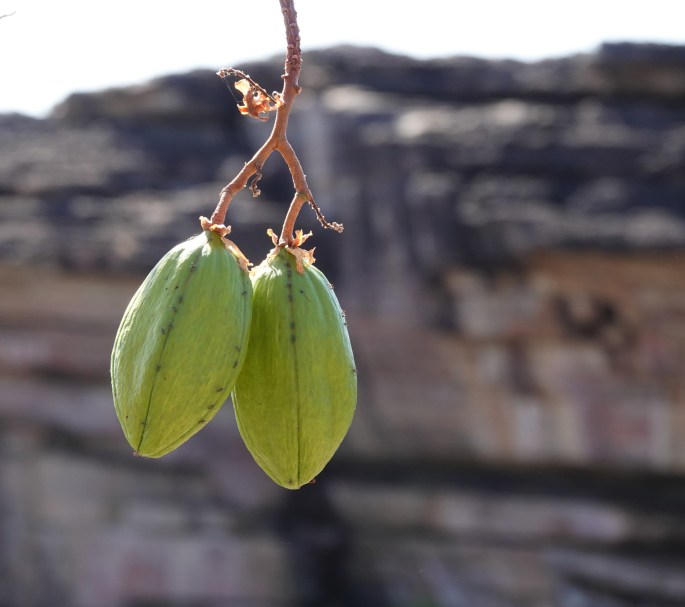
Quite a few sites in Kakadu have remained closed for much of the tourist season this year, for a variety of reasons, & we learned that some of the smaller & more remote camps would not be accessible as roads had only been cleared to suit ‘standard’ 4wd cars, not 3.2m high OKA’s. So our first Kakadu stop was a return to Gunlom Falls, which opened just days before we visited, & which we last visited in 2008. The long drive in was terrible, we rated the corrugations as 9 out of 10, close to the worst we have endured. It was a slow trip in & out! Either it couldn’t have been that bad back in 2008 when we took our old 2wd Nissan Civilian bus in there, towing motorcycles on a trailer, or our memories have blanked out the experience! But it was worth it back then & this time it was no different. The lower pool was cordoned off due to a the presence of a croc which had not been tempted into the croc trap, but the upper ‘infinity’ pools were marvellous. The climb up to them tested us, particularly MrsTea’s knees, but we went early in the morning to beat the heat & were rewarded by having the place & it’s view to ourselves for half an hour or so before the next intrepid climbers arrived, warning us of the presence of a large Brown snake, part way up the climb. This site has been closed for a number of years due to a ‘spat’ between the traditional owners & the Parks department. I believe a result of poor, or lack of, consultation in regard to the construction of a new route up the cliff, presumably now resolved. For us the new walkway, with steps & rails, whilst challenging us, was far easier than it had been 17 years ago. The cool water in the deep pools was just what we needed once we reached them. The view out across Kakadu far better than can be seen from any vehicle.


On the way back out to the highway is a carpark with brand new toilets. It is at the beginning of the walk to Motorcar Falls, named after the first car, an old Chevy, to drive out there in 1946. The driver, Paul Allmich, a tin miner, reached the creek but could get no further. Subsequently the creek became known as Motorcar Creek. The signs with distances are misleading, we suspect that Kakadu Kilometres are longer than standard Kilometres & the 7.5km return walk was closer to 9km. Mostly easy walking until the last few hundred metres where significant scrambling over large boulders was required. Several younger & fitter folk made it look easy. We were slow helping each other to reach the goal, but we got there & were rewarded by a stunning swimming location. Very pleased we had carried a pool noodle with us!


By the time we got back to the truck we were thankful we’d ‘made it’! I was weary, but MrsTea had significant knee pain plus blistered toes. She has since purchased a pair of ‘toe socks’ on recommendation from a friend. I was initially cynical, but they do seem to have helped on a couple of walks since.

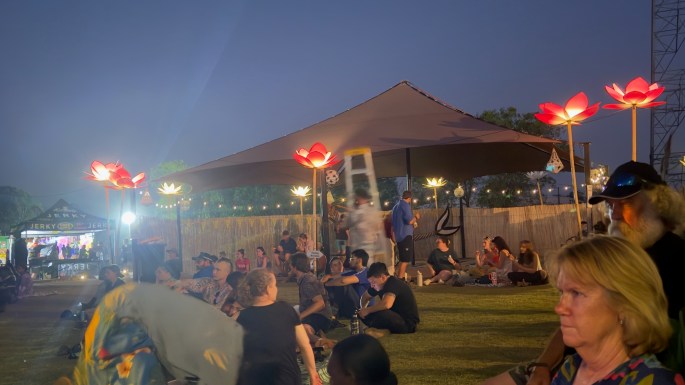
Whilst sitting ‘nursing our wounds’ we got online & discovered that the annual Mahbilil Festival was taking place over the coming weekend in the township of Jabiru about 3 hours drive away. Headline acts were to be Christine Anu & Shelley Morris. And surprisingly it was free! Our tired & aching bodies convinced us that a few days in a Jabiru caravan park, at $65 per night were in order. and whilst online we had received word from the NT Parks Dept ” The road is still limited to 4.5 tonnes on the road Dept’s web site but we have heard from the park ranger that the Outback Spirit tour buses have been getting up to the ranger station OK, (where the guests take a boat from to get to the exclusive Seven Spirit camp across the bay) along with the comment “Make of that what you will” . This was encouraging news as the Outback Spirit coaches are significantly larger & heavier than our OKA, & we called the Parks dept & suggested that it sounded like we would have no problem getting up there. “I think you’re right”, the lady said, “Just be aware that there are a few kms of soft sand after the tiny remote community of Murganella, and beware of a few places where there are tree branches poking out into the track”. And so our waiting had proved worthwhile. The formalities of obtaining the necessary permit to visit Garig Gunak Barlu along with camping fees were sorted out there & then on the phone using a credit card. Dates were locked in with us crossing back in to Arnhem Land a couple of days after the Festival. Woohoo!
In Jabiru at the campground, we refilled our water tanks, enjoyed the ‘luxury’ of an ensuite toilet & shower (every site had these ‘private’ facilities), something we have never had in a caravan park before, & had sufficient supplies to last us for our time up at Cobourg, so all we needed to do was to relax & enjoy the festival.
Wrong!
It was 3am when MrsTea woke me on our first night there to tell me that our fridge was making unusual ‘clicking noises’. Immediate examination of the fridge revealed what was challenging news. It was no longer working & the clicking was the fridge compressor trying to start up repeatedly & failing repeatedly. My diagnosis was a) the fridge has completely ‘shat itself’, or B) more optimistically it’s cooling fan has seized up & it was trying to start but the seized fan was causing a voltage spike resulting in the ‘clicking off’. I felt the latter was the most likely but couldn’t know for certain without removing the fridge from it’s built in, slideout position. This would be a big job, requiring tools (some of which I didn’t have) & a significant amount of internal dismantling of the motorhome interior. Ideally it needed somewhere with a workshop, & where I could leave the dismantled cupboards & their contents, & with proximity to somewhere to purchase a replacement fan ….. (or a new fridge if need be), once the dismantling had been achieved. The thought of needing a new fridge haunted me & I did my best to push those thoughts away. Finding a replacement of exactly the same dimensions as the one fitted during the build, in Germany back in 2015 was pretty unlikely, and modifying a replacement & the space it needed to live in – a nightmare. Jabiru was not the location to start the process! The closest place would be Darwin 250kms to our west. I should add that the fact that our fridge’s fan had been making abnormal graunchy noises for some time which gave me greater confidence that the fan was the issue & that it was something I should be able to fix myself.
We were faced with the choice of cancelling the Cobourg booking we had paid for just that day or finding a way of spending the next 10 days or so in temperatures in the high 30’s/low 40’s without a fridge.
We considered several strategies, including dumping the almost full contents of our freezer, & using it as a fridge. However in the end we kept the freezer as a freezer, but that left two main issues to overcome. Fruit & vegetables preservation was one, the other defrosting meat/fish safely. Normally we take food out of the freezer & put it into the fridge to thaw. Google said “don’t thaw meat/chicken/fish in hot ambient temperatures because there is a risk of food poisoning/ Botulism. Botulism though rare sounded horrific & not something we wanted to play ‘Russian roulette’ with, especially in an area as remote as the Cobourg Peninsula.
We either needed to survive on canned fish & meat (& fruit & vegetables) or find a safe way to thaw the contents of our freezer as needed. The caravan park folk were happy to assist. We collected a number of empty plastic soft drink bottles & froze them in the CP’s staff freezer. These would be used to make our fridge last a few days as an unpowered ‘Esky’ (we estimated the ice would last 2 or 3 days). In the meantime we would place a number of smaller flat ‘tupperware’ containers filled with water at the bottom of our freezer. These would become ice blocks we could place inside insulated shopping bags together with the food we were thawing out inside the warm fridge once the frozen bottles had thawed. The idea being to slow down the thawing out process. Taking these frozen water containers out from the bottom of our freezer one at a time, meant we could replace them to freeze another. This was the process we adopted in order to still be able to go up to Cobourg.
We also bought tinned stews & cans of tuna at the small Jabiru supermarket & somewhat rashly purchased several expensive packs of beef jerky at the festival as a backup in case our ‘food security strategy’ failed. We had just enough room to fit 2 small packs of frozen ‘stir-fry vegetables’ into the freezer too. Thankfully the plan worked well, we did try one can of tinned stew, & whilst I’m sure it would have stopped us from starving, we certainly weren’t looking forward to eating more, it was awful. We actually managed very well, & the worst thing was having nothing cold to drink for 10 days. The water in our tanks, heated by the ambient temperature was a comfortable showering temperature, so the best we could do was to leave a couple of bottles of water outside each night, laying on an aluminium table to cool. ‘Cool’ is an overstatement however, a ‘bit less warm’ more accurate. Certainly better than drinking it straight from our tap. Our ‘Yeti’ drinking bottles then kept the ‘less warm water’ less warm for a while. Describing this as I write sounds like I’m making a mountain out of a molehill, & sure we could have survived drinking hot water, but those few degrees difference felt both worthwhile & even luxurious at the time!

We also needed to plan ahead in regard to removing/fixing the fridge. If that were possible, an unknown until we had the fridge out & partially dismantled. How to achieve this would remain a mystery until we commenced the job. Primarily we needed ‘somewhere to be’ – in proximity to somewhere we could get parts, preferably secure, & better still somewhere with a workbench rather than sitting on the ground. We looked for house sits in Darwin, but came up with nothing at the time we needed. As a last resort, and feeling somewhat stressed & under pressure, we called the only people we knew in Darwin. Chris & Megan own a travel truck similar to ours & we had met them briefly late in 2025, via a Facebook group for folk interested in truck travel. It was a long shot, they had come to the campground we were staying in in Humpty Doo to meet us for a short time, & here we were asking a huge favour of them, folk we hardly knew. We had no idea whether they had room for a second truck, let alone a workshop. Asking felt cheeky & uncomfortable, but we also felt stuck, so were prepared for a “Sorry, no” response & decided that it was worth a shot. (The only contact details we had was via Facebook Messenger).
We were sitting at the festival, enjoying a free feed of Buffalo, Kangaroo tail, Baramundi & potatoes, cooked in a ground oven when Chris’ reply came through. “Absolutely, you’ll be more than welcome”. Our shoulders dropped & we could see the relief in each other. In that instant we felt things would be OK, & now we could enjoy the festival, AND the upcoming Cobourg trip. We had no idea what space or facilities Chris & Megan would have, but hoped that at the very least they would have somewhere to work in the shade, out of the harsh sun.
The festival was small & enjoyable & afterwards we left Jabiru for a couple of nights at Merl campground, looking forward to a visit to Ubirr & some croc spotting at the infamous Cahills Crossing. We also wanted to see how much time either side of high tide looked safe for crossing the East Alligator river there, preferably without risk of being washed off the crossing or of driving over a large croc!


With the mosquitoes I guess we got lucky. We didn’t need to use any mozzie spray or our ‘you beaut’ Thermacell ‘deterrent’ anywhere in Kakadu, or up at Cobourg. We saw & heard very few & neither of us sustained more than one or two bites the whole time. I have recollections of fixing a motorcycle in the dark with my son holding a yellow light years ago, just down the road from Merl campground, out the back of the Border Store near Cahills Crossing in early November 2000. It was like a scene from a horror movie & an experience seared into my memory banks, the night air thick with millions of flying & buzzing bugs & insects, so thick that it was hard to see each other or the bike I was working on. I hope all those flying critters are still exist, as I’m sure they were evidence of a healthy ecosystem, but am happy they were absent for us this time around.


At Cahills Crossing the East Alligator River is at about the furthest point from the coast where the tidal influence is still experienced. At high tide the water flows upstream growing in height & strength for around an hour or so & then gradually drops away & the river returns to it’s normal downstream flow toward the ocean. As high tide builds & the depth of the crossing increases, fish are forced upstream & across the crossing. The crocs have learned that it’s a great time & place to get an easy feed, so much so that the usually very territorial animals have also learned to accept the proximity of others at these times. We sat & watched the high tide antics 2 days running. I think the most crocs I counted at one time was 27! They wait, with their powerful tails seemingly effortlessly holding them steady in the fast moving water, toothy jaws agape, waiting for the fish. It is exciting to watch &, we think, better than the paid ‘jumping croc tours’. We did see fish being caught, although there seemed to be less fish than we have seen here years ago. Back then there were so many more fish, jumping out of the water & crocs jumping up to catch them in shows of speed, agility & sheer power. With less fish the ‘show’ was less dramatic, but we feel sure that this must vary from day to day, week to week & season to season.
It was good news that the change in water levels between high tide & low tide is dramatic, & provided we were to cross a couple of hours either side of high tide, we would have little more than a trickle to drive through.
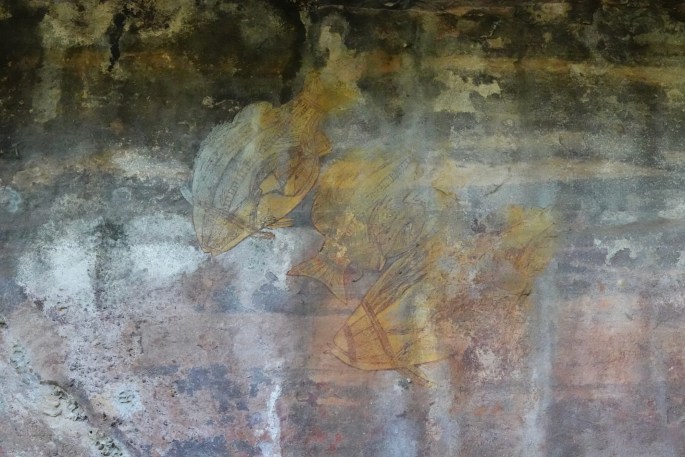
Our visit to Ubirr Rock was my third & MrsTea’s second. Something has changed. On previous visits the extensive rock art was vibrant & dramatic. This time it had faded a lot compared to what we had seen in the past. We think that on past visits we had seen art which had been refreshed without us realising it & had been very impressed. On this visit the paintings were no less impressive but lacked the vibrancy we remembered. To be fair, seeing so much art in one place, & with the dominant ‘x-ray style’ together with a depiction of a thylacine is special & with the extensive views from the top of Ubirr Rock, made our visit feel most worthwhile despite the differences.




All the Youtube videos of vehicles crossing Cahills at the wrong time & sometimes, predictably, getting into trouble, build a picture in one’s mind. It’s mostly a mix of showing off, stupidity or impatience. Crossing Cahills is not a big deal when done at the right time. Any car driven by a little old lady on her way to church could cross with ease, but filming such an event at the sensible time wouldn’t make the driver feel like a rufty tufty 4wd’er or a brave internet influencer.
Nevertheless we did experience a sense of excitement whilst crossing, not because of the crocs, as we saw none whilst we crossed, but because the crossing marked the beginning of a trip we had talked about making for a long time, & because it was, for us, crossing onto ”virgin ground’, with only vague ideas as to what to expect, both of the conditions driving up there & of what to expect once there.
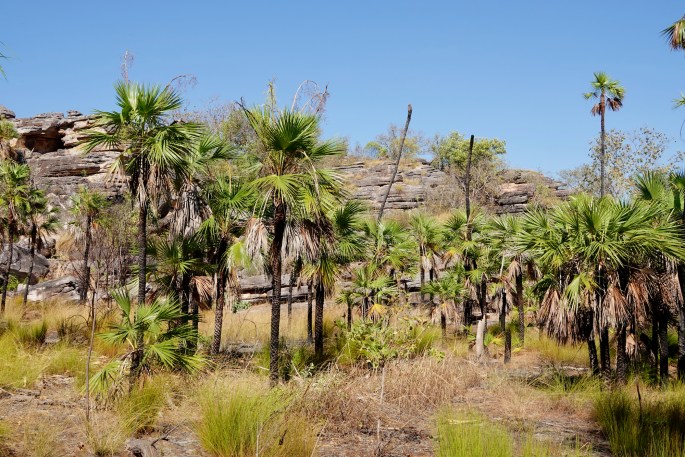
Within the first few kilometres we were driving in interesting surroundings, different to what we had seen in most of Kakadu. Open rich green plains dotted with flocks of Brolgas & lily covered waterways, punctuated & surrounded by interesting rock formations & cliffs. Our advice to anyone visiting Kakadu would be to obtain the permit to allow you to drive out to Gunbalanya (aka Oenpelli). Even if you don’t go into the community, just the few kms drive once across Cahills Crossing is special. Rock Art up the hill from Gunbalanya is reportedly some the best to be seen anywhere in Australia, but is only able to be accessed via a daily 3 hour tour, booked in advance. We were uncertain about the suitability in regard to MrsTea’s knees, but it was the cost which deterred us from going to see something which word has it is very special. That ‘word’ came from folk we knew who had been there in the past, when it was possible to just ask where to go & to be given directions to walk there unaccompanied. We are accepting of the introduction of guided tours only, but $800 for two people seemed excessive & out of reach for us.


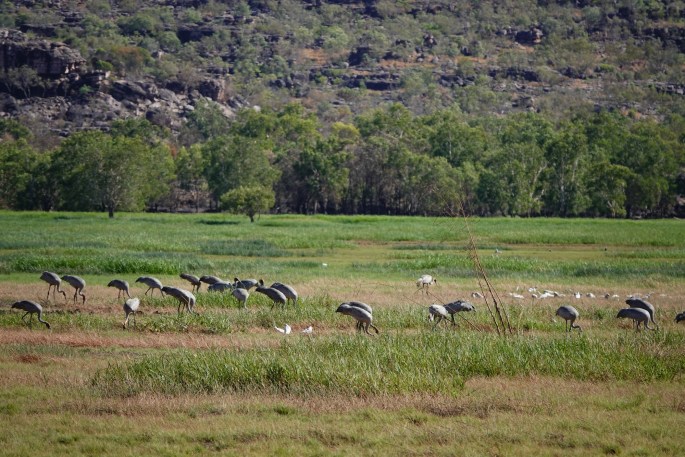
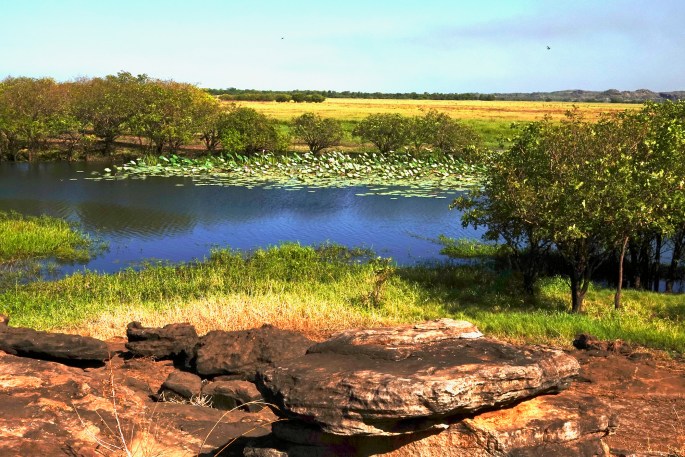

Once past Gunbalanya the day long drive up to the National Park took us on an enjoyable adventure. There were indeed some rough sections & some soft sand, forests, hills & so forth, but overall the road was in good condition (relative to some we have driven) nothing overly challenging. Just a sense of adventuring somewhere we had never been. Precisely what we love! Over the course of the day’s travel we saw just two other vehicles. One an adventurer parked alongside a shallow water crossing, stopped for a smoko on his way back from the National park, & another similarly on the return journey towing a single axle Snowy River caravan. We pulled up to see if they were OK, & told we were not the first to do so. The caravan chassis had suffered a breakage to it’s suspension mounts, but they had been in touch with the Snowy River company who were organising a recovery operation covered under warranty. From what we were told we were left impressed with what was happening & although such a breakage isn’t good, the backup from the manufacturer sounded unusually excellent, especially given the very remote location. The couple had been there for 3 days already & were expecting to be there for at least a couple more, but they were upbeat about their situation & told us they had plenty of supplies & water with them still. Where they had broken down was a blessing, it being in a shady tall forest section of the road, protecting them from the harsh sun, although it must have made keeping their batteries charged, & communications difficult. (We assume they had either Starlink or a satphone). Of course it was also a reminder to us of how things can go pear shaped when a long way from assistance & as we drove away from them there was some self reassuring conversation had in our driving cab. 🙂


The entry to the park came a couple of hours before we arrived at the ranger station. We pulled over just past the sign telling us we had arrived at the Park to stretch our legs & to grab a bit of lunch. On restarting the OKA the Check Engine Light came on & we gleaned an error code from the Cummins speedo. Briefly worrying, but it was an odd error we put down to a combination of corrugation vibrations & another loose 20 year old sensor connector. The error was that previous error history had been lost, but there would be no impact upon engine performance! My interpretation of this was that in all the bumping & shaking there had been an unnoticed brief loss of power to the engine’s computer. I turned off the ignition & tried again. The error code did not re-appear & we carried on without issue. This has since occurred twice more, but never on smooth roads. Each time switching off the motor & restarting has removed the error & extinguished the Check Engine Light. When we next get home replacing sensor connector plugs generally is on the ‘To Do’ list.
The lone female ranger was out & about somewhere when we arrived at the ranger station but we met several army personnel, all of whom were welcoming, but who had no more idea than us about the process of booking in. We found a whiteboard & wrote our names, vehicle rego & permit number before heading off to find the campground about 10kms further on. It would be a couple of days before the ranger caught up with us to give us a rundown on the place. Of the two campgrounds, one remained closed following extensive damage from two cyclones earlier in the year. There was evidence of cyclone damage everywhere. The army presence was to assist the ranger with re-opening roads by clearing fallen trees etc. A huge task. Sadly for us one of the main tracks (The Wetland track) within the park remained impassable & was still closed.
Just as we reached the campground we passed a sign saying ‘Crocodile Crossing’. At the time we thought it was just for amusement. Several days later other campers told us they had indeed seen a sizeable croc crossing there, making it’s way from the beach to a freshwater billabong on the other side of the track. The ranger when asked, informed us that this was a relatively common occurrence & that the sign was no joke.

The campground was on a large area of grassland, dotted with clumps of monsoon vine thicket, nestled between ocean beach & thicker & more extensive monsoon vine thicket which extended inland for who knows how far. The layout was a central raised long drop toilet & a bore fed solar shower. No drinking water is available. All visitors are expected to have their own water & food supplies for the duration of their visit. Not an issue for us. The numbered camp sites are laid out thoughtfully providing all camps with privacy, (& in our case with some very enjoyable birdlife).




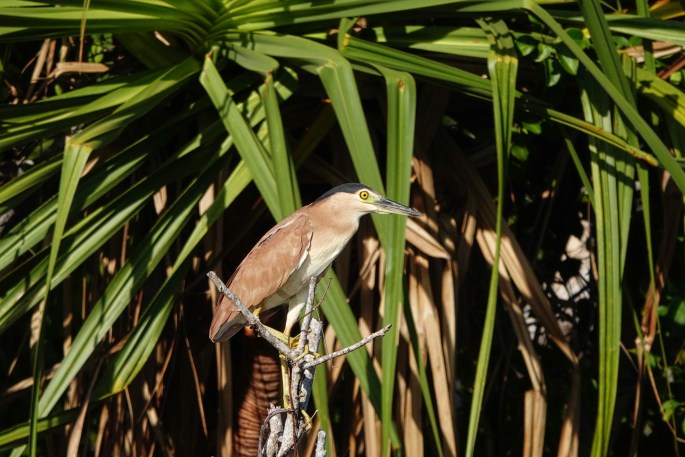

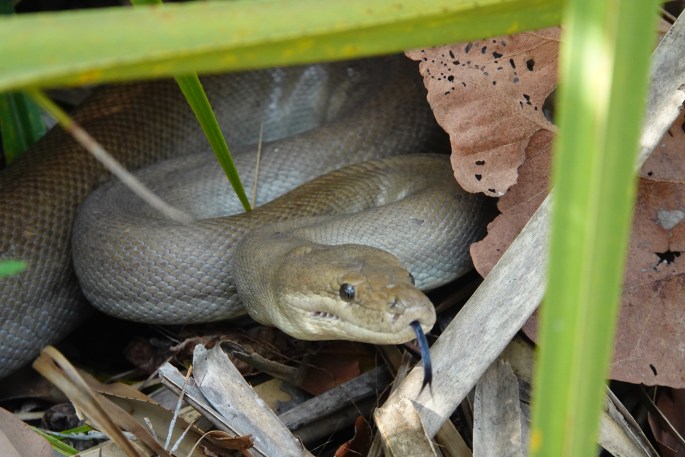


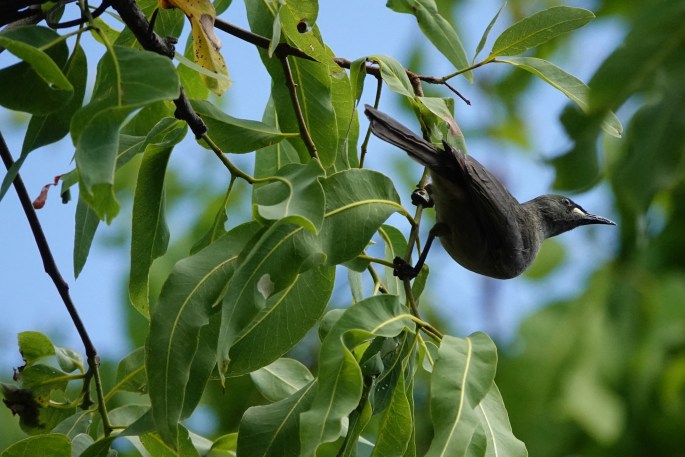

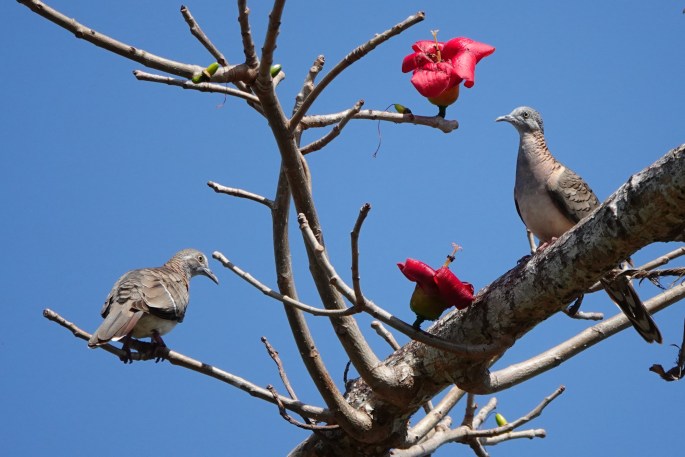
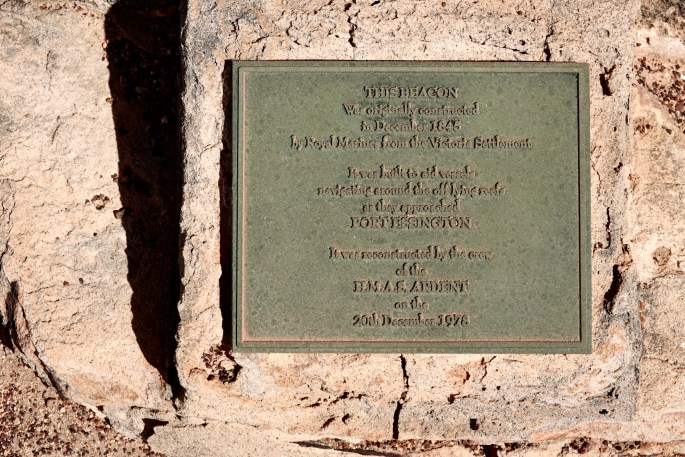
The Cobourg Peninsula is home to the world’s largest wild population of Banteng cattle. These are a species of wild cattle originally from South East Asia where their status is now threatened as a result of deforestation. When the British military attempted to build what became the doomed settlement on the Peninsula at what was called Port Essington, they brought 20 head of cattle from Indonesia with them in 1838. The settlement failed due to the harsh conditions & sickness. A high percentage of the small number of soldiers & their families died & the settlement was abandoned in 1849. The cattle were let free, & and since then have thrived in the thick ‘scrub’, with today’s numbers being estimated to be 10,000+. Although there was plenty of evidence of them close by (droppings, hoof prints & night time sounds) they are reputed to be extremely shy (they will know of human presence long before we are aware of them) & we didn’t see a single beast. Walking forays into the Monsoon vine thicket was relatively easy despite the density of growth, on account of the myriad of cattle paths. It was easy to find ‘sleeping/resting ‘pads’ where they had been, but never with any present. Walking, despite cattle paths, felt quite risky as getting lost was a strong possibility, so we never went further than we could be sure of the direction back out. Multiple visits were however enjoyed both for the birding, & for the immediate coolness the thick cover provided. The difference between out in the sun & under the trees was quite dramatic – almost like stepping into an air conditioned house. Sadly (as far as we are concerned) in other parts of the Cobourg Peninsula the Banteng are subjected to commercial trophy hunting. Shy beasts killed to have their heads hung on rich hunter’s wall. We feel that culling when necessary for ecological reasons, or killing to eat is acceptable. But shooting only to get a stuffed head mounted on a wall just seems gross, especially when there is zero risk to the hunter. There are internet sites promising the biggest trophy heads, prepared & posted once the hunter has been led to the cattle & has shot a bull. This behaviour is banned in the National Park, but the ranger did tell us that culls are occasionally warranted to minimise the damage that too many cattle cause to the environment.
Although the Wetlands track was closed the coastal track was open, along with the Caiman’s Creek Track, & the track out Smith’s Point, the most northern land point of the Northern Territory, not quite as far north as the tip of Cape York in Queensland, but not far off it. That fact made sense of the birds we were seeing, many common to Cape York, despite different vegetation. The monsoon vine thicket being as much home to these birds as the rainforests of the Cape. I will include a list of the birds we saw whilst at Garig Gunak Barlu at the end of this post for those interested in such things. Some tracks were testing for us, mainly because they had been cleared for car sized 4×4’s, not 3.2m high OKA’s. We did collect quite a lot of foliage on our roof, & the alumimium angle I glued onto each side of the roof to help protect the solar panels earned it’s keep. The wire ropes we have each side of the windscreen to deflect branches up & over the roof also proved their worth. Wildlife in general was a little more common than we have seen in a while, a relative lack of humans we think being responsible. Dingoes, snakes, lizards etc, but sadly no large goannas. A few small dessicated carcasses told us cane toads have made it up there.


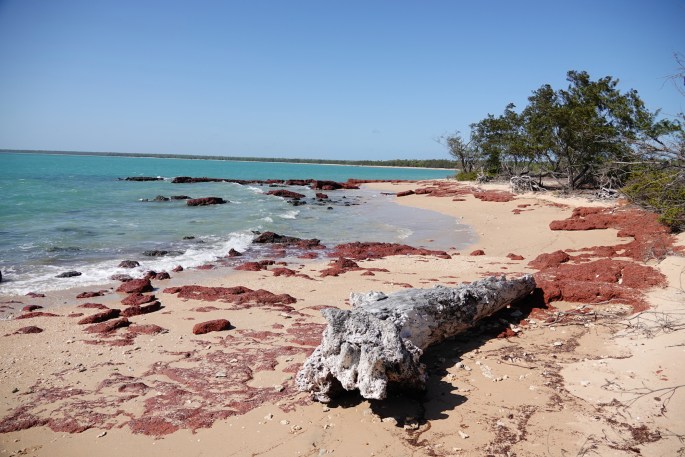


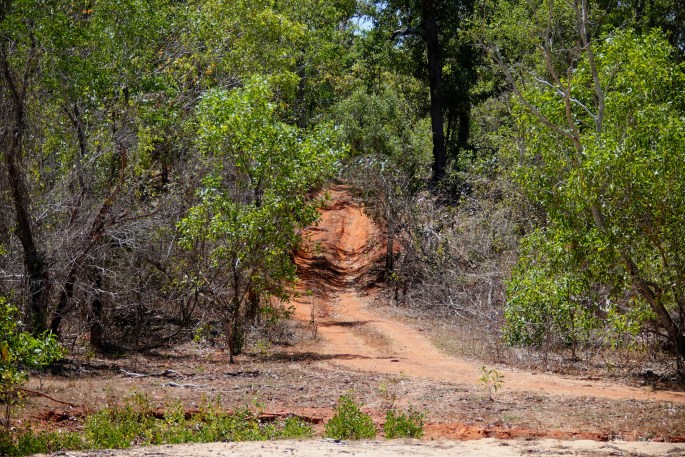
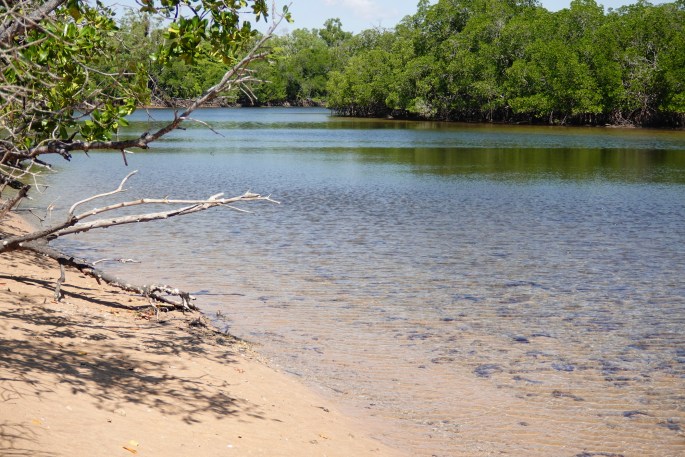
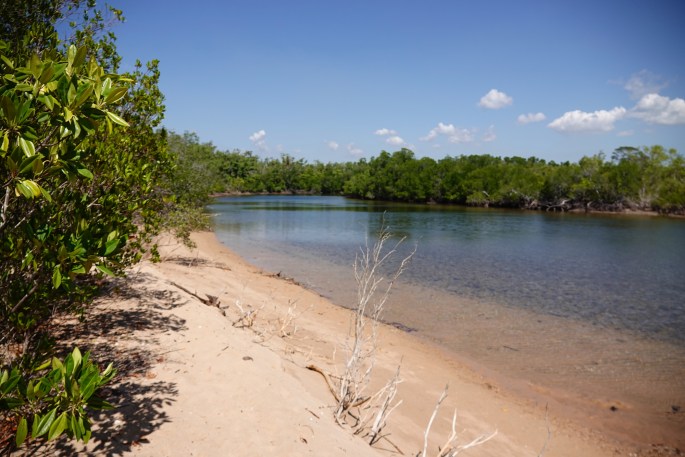
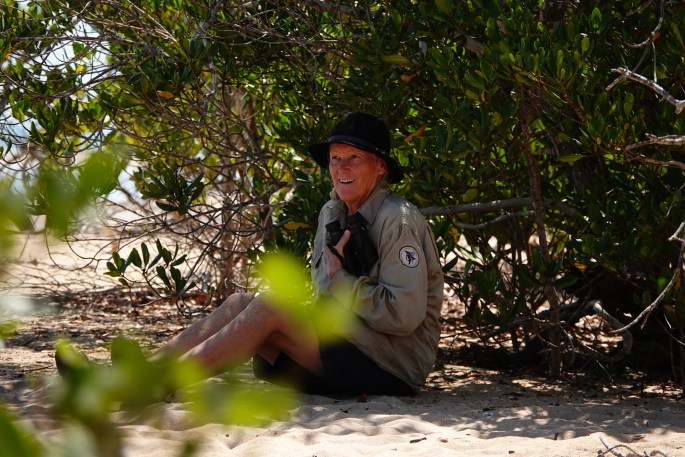
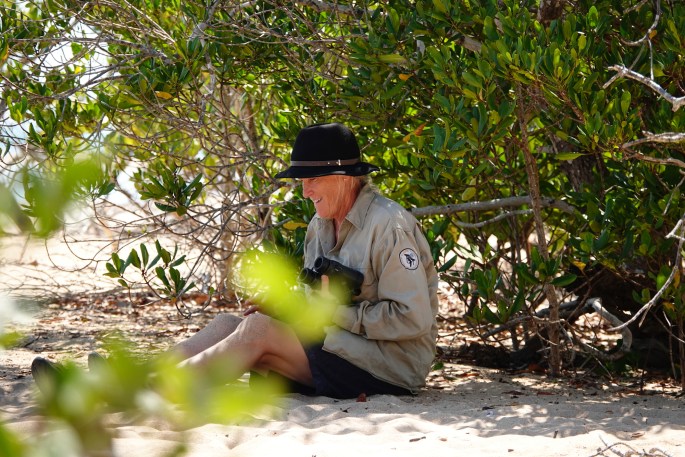
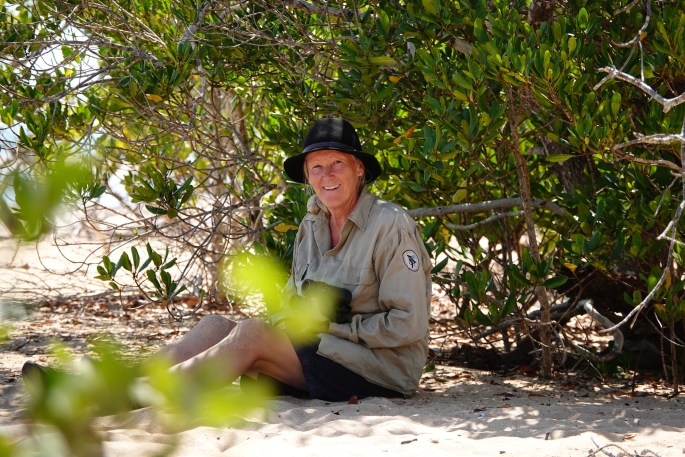
Life in the campground was pleasantly relaxed. Alongside our truck we had a large shade sail over a handy picnic bench table. Permits are issued in 7 day blocks only, which we felt was a great idea. It would be possible to drive all the tracks & see all the sights in 2 or 3 days, but being there for seven gives folk ‘permission’ to chill, & that is what we did. We saw (& enjoyed) what there was to see, with at least two visits everywhere, with & without picnics, in what felt like a very relaxed manner. At the end of our permit period we felt we had used our time well & were it not for our fridge issue could easily have booked a further week. Most nights there were 2 or 3 other vehicles in the camp ground (we believe that visitor numbers in the park are limited, but were well below the limits during our visit). When out exploring seeing another vehicle was the exception rather than the rule. The place is beautiful, but it’s primary attraction for us was both the beauty, it’s remoteness, & most of all the sense of having it to ourselves. An increasingly rare thing in todays world, something Australia offers better than most, & here was an Australian jewel. Not the ‘biggest’, the ‘prettiest’ or the ‘most dramatic’, but certainly high in the desirability stakes. There is little doubt in our minds that if & when we return to the Northern Territory again this is somewhere to re-visit. And that is without our fishing rod ever being unpacked!
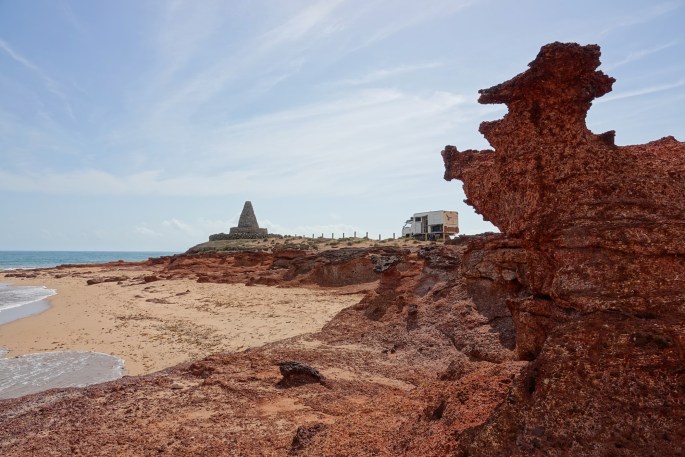


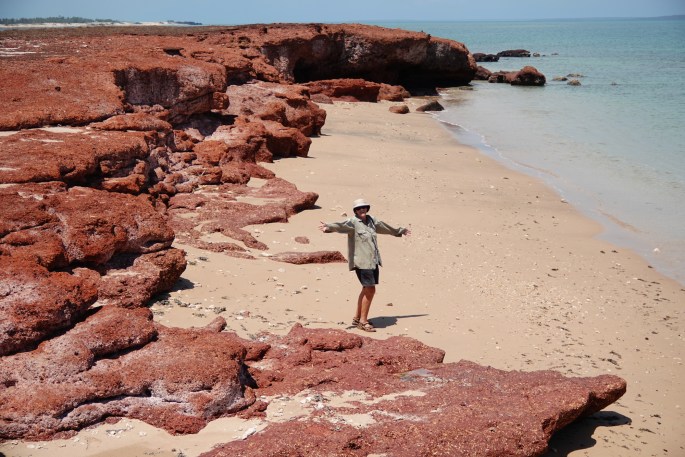
On our last evening a fellow camper over at the shower asked “Do you like fish”. “Certainly do” I told him, “but we don’t get to eat it very often as I’m not a good fisheman”. “Come over to our camp a bit later when I’ve had my shower” he said, pointing to his camp. “You’re on” I replied.
Later, over at his camp he & his mate explained they had had a great day fishing out in their boat & couldn’t fit all they had into their large esky. “Mainly Spanish Mackerel & Jewfish” one said whilst the other picked some fish cubes out of the frying pan for me to try “just fried in a coating of ‘Tuscan Seasoning’ he explained. They were delicious! When asked which fish I might prefer I answered “what I just ate was pretty good”. “That was Mackerel” the chap nearest to the esky responded “I’ll get you some of both. It’s all been filleted”. A short time later I was walking away with 3 large ziplock bags of 2″ thick fish fillets, two Mackerel & one Jewfish, around 4kg I reckon, maybe a bit more.
Back at camp MrsTea assured me we should now have just enough room in the freezer to fit it all in, so we set about cutting it up more, & to make cooking it easier we cut it into approximately 1″ cubes, ending up with 6+ meals worth, & placed it all in flat packs at the bottom of our freezer.
The journey back to Kakadu was broken by a short side trip out to an ocean beach. A friend had told us of this beach. (thanks Jan). We had wrongly thought that where she was telling us about was a narrow track with a sign at it’s beginning saying ‘No Beach Access’, the only track we had seen leading off in the direction of the Gulf of Carpentaria.
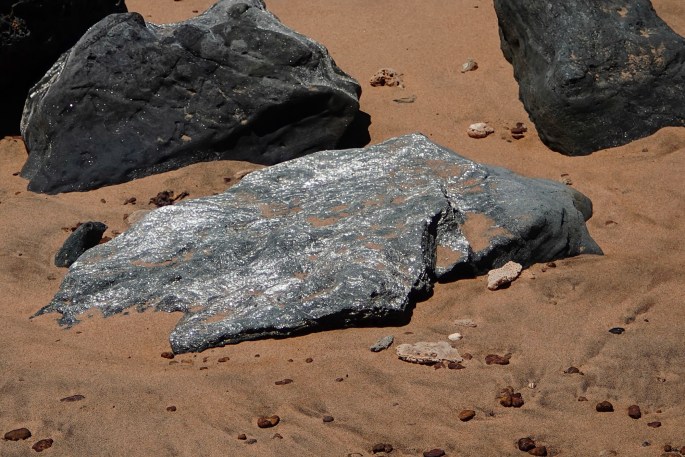
Strangely we missed seeing that signposted track on our way south, but had also missed the one we now took when driving up, to what one of our maps calls Wunyu Beach. There was a broken & disused concrete structure we believe was probably once a barge landing, & the beach was a smorgasbord of rocks, shells, coral, starfish & various sea plants. One rock of which there were plentysmaller specimens scatered along the beach was black with what looked like aluminium or another silver metal running through it. I’ll include a photo of one of the larger specimens of this rock below in the hope that someone might recognise it & tell us what it was?
At the end of the beach was a very active colony of Crested Terns, spanning several large rocks just off shore. Going on beak colour I believe most were Greater Crested Terns, but with a smattering of Lesser Crested Terns among them. Greater having yellow bills & Lesser having red bills.


All too soon we were driving back across Cahills Crossing having by good fortune having arrived at low water again, although we did see one lone croc alongside us on this occasion. After another night in the (still mosquito free) Merl campground, close to the crossing, we headed back into Jabiru to fill our Yeti bottles with deliciously chilled water from the public drinking fountain at the supermarket, the extra 8 kms incurred being worth every savoured mouthful! Our first properly cold drink in 9 days.
After confirming our date of arrival with Chris & Megan, we took another ‘side trip’ off the Arnhem Highway as we headed toward them in Humpty Doo. A 30 or 40km detour to ‘4 Mile Waterhole’ on the Wildman River, still within the Kakadu National Park. The first 10kms or so there were roadworks with diversions, it looks like a major road is being put in to ‘2 Mile Waterhole’. Perhaps what has always been a free camp within the park is about to become another of the significant Kakadu visitor sites? We can’t think of any other reason for such major roadworks. 2 mile Waterhole was off limits as a result, & when we turned of on the 4 Mile Waterhole track, we left the wide graded tracks behind & were now on a vehicle width & corrugated track averaging 30kph after reducing our tyre pressures. Shortly before arrival at our destination the forest changed to an open paperbark forest, suggesting we were now into country which floods annually, & the it opened into wide open green & grassy plains before stopping alongside the lush banks of a river, where within minutes of our arrival we had a largish croc popping up to the water surface to check us out. The location was far more than we had expected & certainly somewhere to return to for more than just an overnighter. Looking out over the flat plains whilst standing alongside trees with flood debris in their branches , higher than our heads was breathtaking , realising we were looking at what, during the wet season would have been a freshwater ‘sea’.


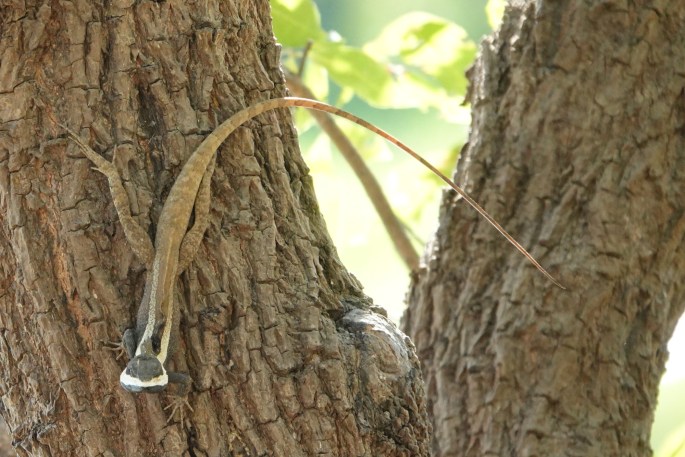

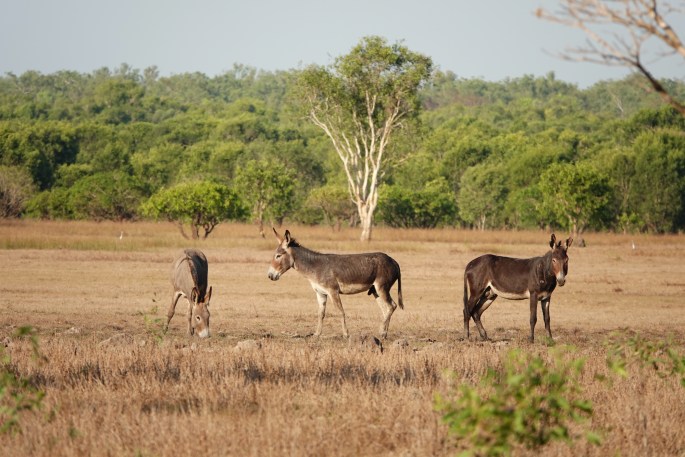
After stopping in Humpty Doo shopping area for a fish & chips takeaway lunch we made our way to Chris & Megan’s, discovering as we drove that we were in what is sometimes referred to as ‘rural suburbia’. In this southern end of the Darwin region, it’s all 5 acre (or larger) blocks. Many sealed roads cris cross through what just looks like bush, because much of the time houses are hidden by trees. We liked that. We were warmly welcomed upon arrival & it quickly became clear that as far as our ‘repair needs’ went we had hit the jackpot, along with lovely folk who have become good friends. We parked up adjacent to the workshop with shaded & powered undercover areas containing work benches either side of us. The house facilities were made open to us whenever we wanted & offers of ferrying us around in cars as needed to get parts, groceries etc were made & very gratefully accepted. We did what we could whilst there to repay their kindness & I think we all made it work as best it possibly could. It really was just what was needed, & generously shared.
Removing the fridge from inside the OKA felt daunting & it did take most of a day to get it out, but once out I felt that if we ever need to do it again it would be a lot less daunting. A big job neverheless. We had been told by the OKA’s previous owner that first we had to remove the cupboard doors either side of the ‘corridor’ that the fridge slides out into, to gain access to the fridge slides. The painted aluminium composite doors were riveted onto stainless steel ‘piano hinges’ with stainless steel rivets, which in turn were riveted to the cupboard frames. A number of the rivets still had the remnants of the rivet ‘stalks’ in their centre, making drilling out the rivets (35 of them!) difficult without the drill going off centre & creating irreversible damage to the doors or the cabinets. I managed this carefully, but it took a while. If you have ever drilled out stainless rivets you will know they are hard. As I did the job I decided I would use aluminium rivets (which are much softer & easier to drill) to replace them. Just 3 rivets left to remove & I hit an obstacle. Below the kitchen sink poking through a hole in the undersink door are two switches mounted into a junction box which is inaccessibly riveted into the sink cabinet frame. One switches the UV steriliser & the other the 240v heating element in our hot water service. It quickly became clear that this had been put in place prior to the sink & all it’s plumbing had been installed. AND the junction box was preventing access to the last 3 rivets holding on the door I was trying to remove!


Removing the sink & all the plethora of water connections underneath it was something I really didn’t want to do. It took a fair bit of head scratching & experimentation with borrowed tools, along with some helpful ‘brainstorming’ with Megan and I managed to remove the last 3 rivets, extremely carefully using a dremel with a cylindrical grinding tool & an old wood chisel! Getting that second door off was cause for smiles & a cuppa!
MrsTea took charge of removing all the contents of both cupboards & placing them on an ideally suited large undercover bench alongside the OKA. At the other end of the bench she set up our induction cooktop as a temporary kitchen, as the kitchen inside the OKA would be out of use whilst work was being completed.
I hope I am painting a picture demonstrating why the job could have been so much harder at a free camp or in a caravan park.
The front fridge trim was easily removed & now we could look to see if the fridge was riveted onto it’s slide rails. Thankfully it wasn’t , & after a bit of trial & error to find boxes of the right height to take the weight of the fridge we were able to slide the fridge right out from it’s runners. Another moment of triumph.
The fridge had a 240v plug, hard wired to a junction box inside the electrical cabinet, the other side of a grommet not large enough for the plug to pass through, but I could unplug it from the fridge. The 12v power supply as also hard wired, but to the fridge itself. Cutting the wires inside the fridge, after removing an access panel on the rear of the fridge was easier than cutting & rejoining wires at the very back of the electrical cupboard, so that’s what I did. It proved to be a good choice.
Now the fridge was free & with only minor contortions Megan & I removed it from the OKA , to a workbench in the workshop.
The compressor area of the fridge was pretty crowded making access difficult, but by the end of the afternoon the fan was removed. I couldn’t test it as the easiest way to remove it had been to cut it’s wires leaving as much of it’s supply wire in place to connect it’s replacement too. With it removed we now knew what was needed to replace it. A good ending to a ‘big day’. I remained confident, but not certain that a new fan would see the fridge working again.
Next morning Chris took me to Jaycar in Darwin where a suitable fan replacement was procured. After fitting it, but before reassembling the fridge the four of us gathered for the big moment . The switch on. We plugged in 240v power supply and ……. nothing! It didn’t bloody work! I was devastated.
“Try it on 12v” Megan suggested. I did & it ran fine. We left it to run overnight to check that it got down to the set temperature & would cycle on & off.
It was perfect on 12v, but cactus on 240v. Chris & Megan suggested a repair place as I was insisting that I wanted to be able to run on either as it was originally designed to do. We took the fridge there & left it to be repaired having agreed to pay for a replacement control box. Estimate was “hopefully by the end of the week”. Replacement control box around $500 + labour. $150 up front was the standard work fee.
A few days later the call came from the repair shop. Whilst most modern Danfoss/Secop compressors have the 240v to 12v conversion done inside the control box, our German built fridge with that compressor as it turned out did not. It has a separate PCB (Printed circuit board) for this, & they are obsolete & no longer available. Our choice was to run it only on 12v, or to buy a relatively cheap 10amp 240v to 12v converter to connect into the fridge’s 12v system. This latter option was a clunky solution, with no real benefit, so our decision was to just run it on 12v. When we are plugged into 240v ‘shore power’ our battery is automatically charged by the inverter charger, so 240v is superfluous, & was only desirable to keep the fridge unnecessarily ‘original’.
So the fridge was collected, wired back in on 12v only, lifted onto the weight bearing boxes, slotted back into its slides (with difficulty) , removed cupboard shelves replaced, cupboard doors riveted back into place (with aluminium rivets) & missing the top 3 on the sink cabinet door, all the cupboards refilled & everything was hunky dory……………..until it wasnt!
The problem only being discovered some hours later when I wanted to charge my laptop from inverter power. The laptop at most should only draw around 5 to 7amps when charging, but the battery monitor was showing a current drain from the battery of almost 90amps! That’s a lot. I checked all 240v outlet in the truck, ensuring nothing was plugged into any. It made no difference, each time I switched on the inverter charger there was that huge current draw. Something was clearly amiss. Google AI helped me to narrow it down & I became convinced that the problem was a stuck relay/contact inside the unit causing a dangerous ‘backfeed’ situation. Whilst the Inverter Charger is a high end brand (Mastervolt) it is a brand with limited availability in Australia. The main importer being in Brisbane, & at $4500 for a replacement unit, it is not something that many sellers would have on a shelf waiting for a buyer.
Investigation discovered there was only one place in Darwin which could fit a replacement. It requires someone with the correct Mastervolt software (& knowledge of how to use it) to get a new unit to recognise & ‘talk’ to our Mastervolt battery & the rest of our Mastervolt electrical system.
I also discovered that there was just one replacement unit in the country … in Brisbane. They were prepared to freight it to the installer in Darwin, but the installer would not be able to fit it before the end of September.
I was willing to order the replacement unit, & Chris & Megan were happy for us to stay as long as we needed to, but the installer said “Before we order the replacement I want to look at your system to double check it is necessary, no point spending that sort of money unnecesarily. Can you drop by first thing tomorrow morning?”. It turned out he was only 20minutes drive away.
First thing he did was to plug his computer into our system, to look for any fault alerts or history of fault alerts. He found none. He then double checked every 240v power outlet and found, as I had told him, nothing was plugged in. The mystery power drain remained. He contacted the tech people at Mastervolt Australia who were able, via the wonder of the internet, to examine our system in real time. They too could not explain the mystery current draw. The problem was that a fault would register a fault alert & there was no alert. The installer however was like a dog with a bone, he wouldn’t let go. Eventually he conceded that perhaps a wire had rubbed through making contact with the motorhome body or truck chassis, a scary thought, but testing showed the body & chassis not be live thankfully!
So there we were him, MrsTea & I standing inside the motorhome scratching our heads, when he says ‘What are they?” pointing to the two switches in the undersink cupboard door. As he asked he switched them & the mystery current draw disappeared from the battery monitor! The culprit had been found & we immediately felt the relief of being $5000 better off as well as a little silly.
The switches for the hot water heater element & the UV steriliser glow red when switched on, but are hard to see in daylight, & we hadn’t had the inverter on at night. These are switches we never use, so I had no reason to think they were switched on. Well they were, obviously inadvertently switched on when I was removing the undersink door! He had spent well over an hour checking things, had saved us an unnecessary expensive purchase, fitted us in in less than 24 hours and only charged us for an hour of his time. Excellent service. I also learned that if I obtain a windows computer I can not only use the same Mastervolt software, I can also access the same tech help he did, albeit via a call centre rather than the direct line he had.
We ended up sharing Chris & Megan’s home for 2 weeks all up & parted having become firm friends. We had all felt comfortable being together, even if I did only manage to win two games of pool out of many. 🙂

Mostly we were happy to just enjoy living in their bush retreat, rather than trying to see the tourist sights of Darwin again, but we did take the opportunity to visit Fogg Dam for the first time for some bird watching. Although we didn’t see any new (to us) birds but it was a lovely spot & lots of photos were taken. Here’s a few.
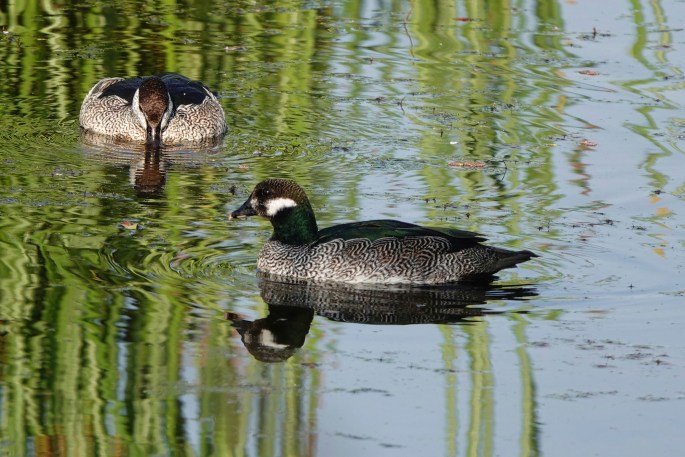
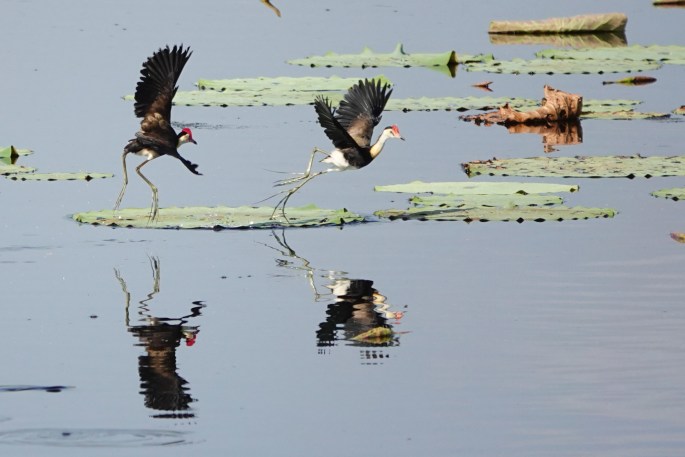
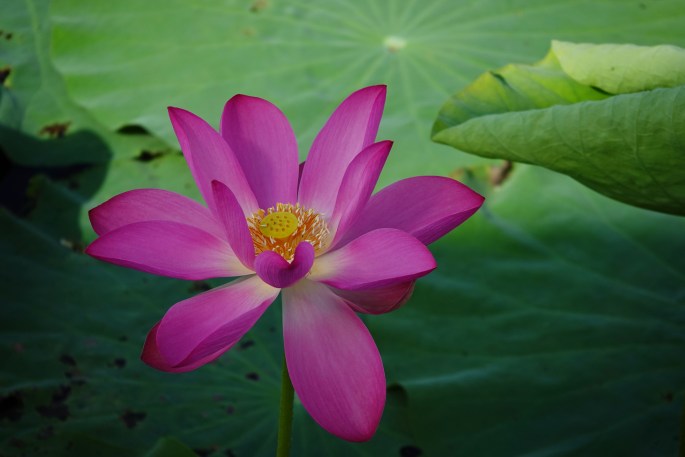
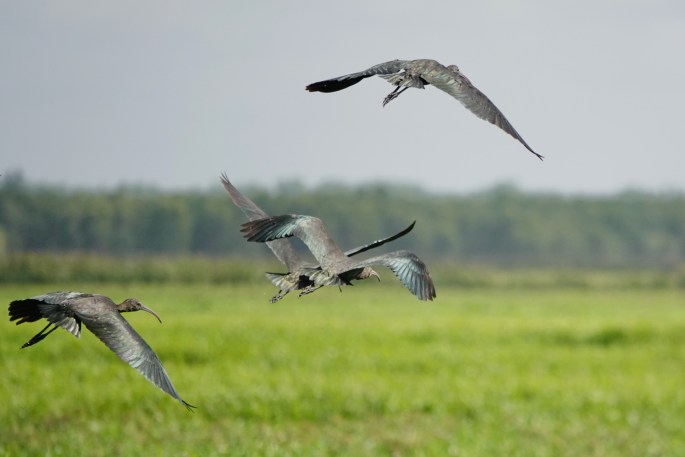
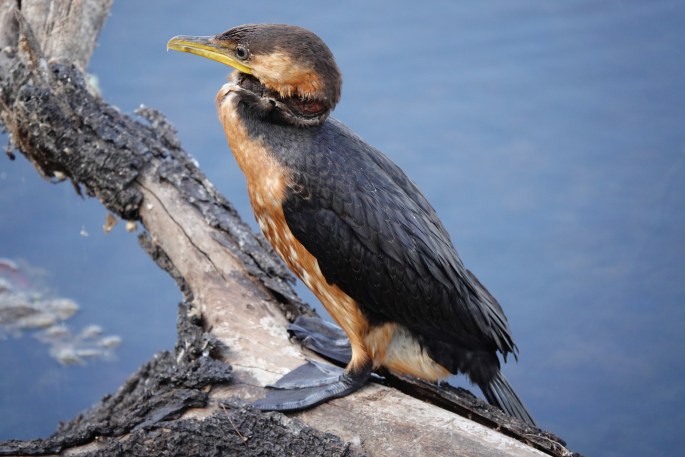
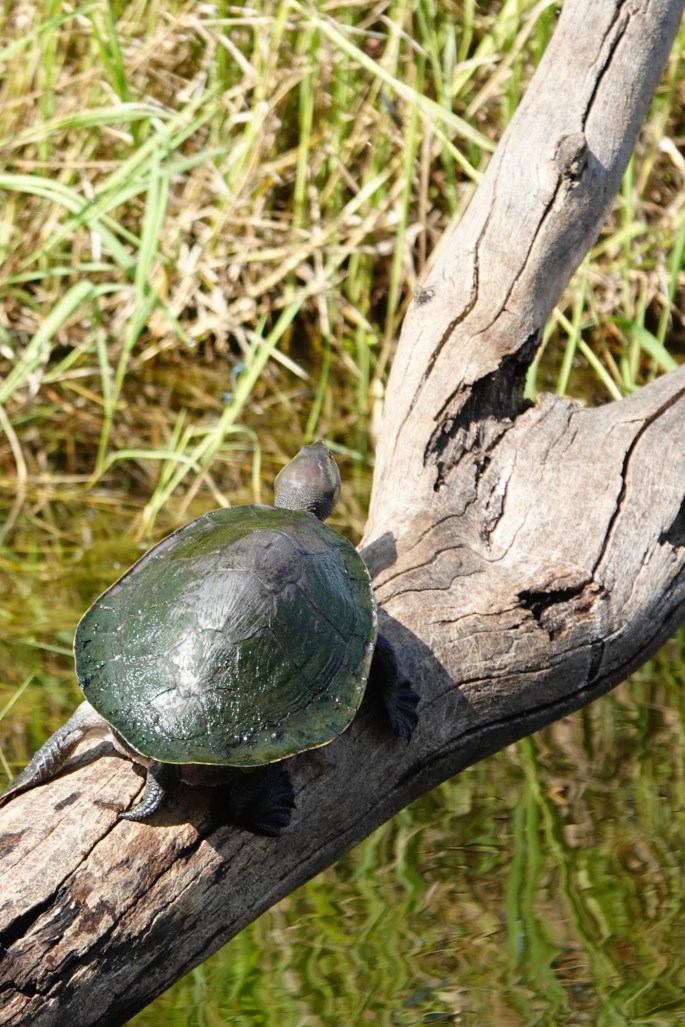


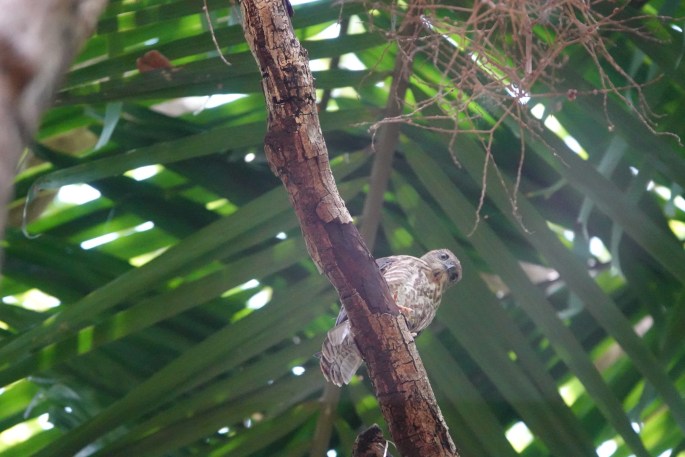
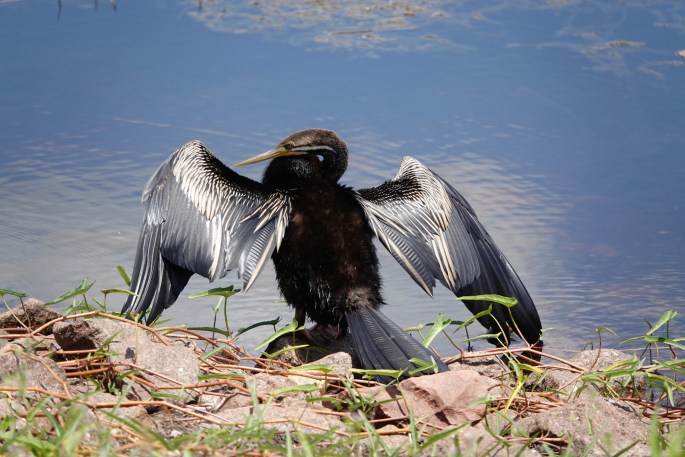
We have now begun a southward journey back home via Adelaide where we hope to get a couple of things ticked off our ‘to do’ list. Once back home in Victoria there will be a few more things on a ‘to do’ list after which we are thinking a year in Tasmania sounds good (so if anyone needs or has any leads on house-sitting or caretaking in 2027 to get us through the Tassie winter please let us know).
There are some side trips in the planning for our southward journey, rather than straight down the Stuart Highway. See how that pans out in our next post.
Thanks for reading
Regards,
Cuppa & MrsTea
Oh, and as promised earlier, here is our list of birds seen whilst on the Cobourg Peninsula.
Cobourg bird List
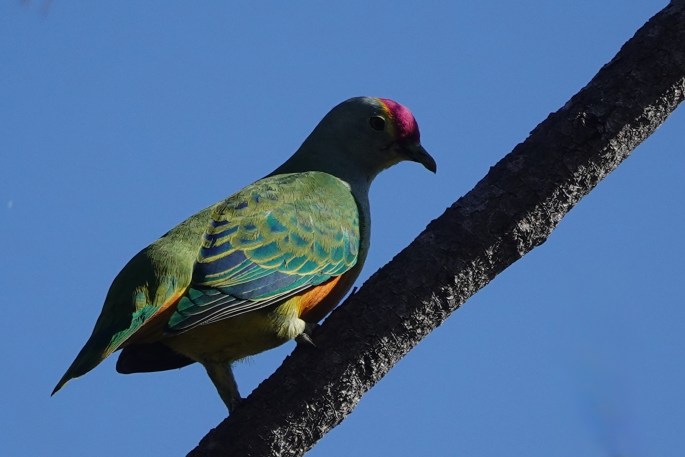
Rose crowned Fruit dove
White winged Triller
White- bellied Cuckoo shrike
Bar shoulderedDove
Orange footed Scrub fowl
? Wood swallow
Olive- backed Oriole
Sulphur crested cockatoo
Rainbow Bee-eater
Red-collared Lorikeet
Spangled Drongo
Peaceful Dove
Red-tailed Black cockatoo
Arafura Fantail
Barking Owl
Pheasant Coucal
Blue Winged Kookaburra
Great Bowerbird
Great Billed Heron
White bellied sea eagle
Magpie Lark
Australian Pied Cormorant
Nankeen Night Heron
White-gaped Honeyeater
Masked Lapwing
Australian Boobook
Australian white Ibis
Imperial Torresian pigeon
Pacific emerald Dove
Sacred Kingfisher
Bar breasted Honeyeater
Leaden Flycatcher
Varied Triller
Sahul Brush Cuckoo
Beach Stone-Curlew
Pied Oyster catcher
Brown Goshawk
Pacific Reef Heron (Dark Morph)
Shining Flycatcher
Brolga
Eurasian Whimbrel
Black-necked Stork (Jabiru)
Tawny Frogmouth
Plumed Egret
Northern Fantail
Torresian Crow
Red-winged Parrot
Greater Crested Tern
Lesser Crested Tern
Little Black Cormorant
Bush Stone-curlew